

Understanding the psychology behind your gambling decisions
Understanding the psychology behind your gambling decisions
The Thrill of Risk and Reward
The psychology of gambling is deeply intertwined with the thrill of taking risks. Players often experience an adrenaline rush when placing bets, which can lead to a heightened sense of excitement. This emotional response is crucial, as it often overshadows the potential consequences of losing money. Additionally, for those looking to explore various gambling options, pin up casino india offers a myriad of engaging games. The thrill can become addictive, as individuals seek to replicate the euphoric feelings associated with winning.
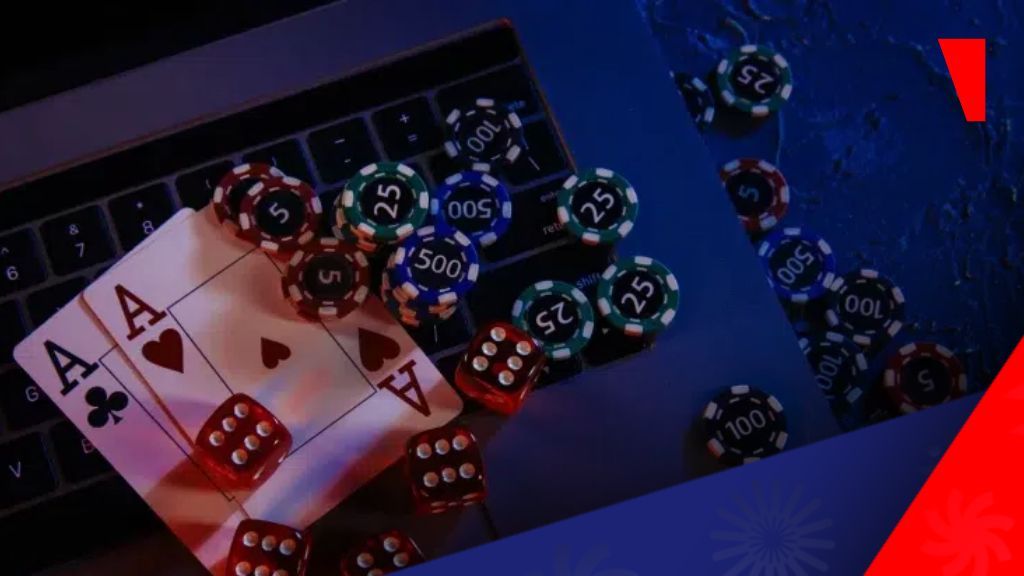
Moreover, the prospect of winning big can cloud judgment. Gamblers may underestimate the odds and overestimate their chances of success. This cognitive bias, known as optimism bias, can lead individuals to chase losses, further complicating their decision-making processes and potentially leading to problematic gambling behaviors.
Social Influences in Gambling
Social dynamics play a significant role in gambling behaviors. Many individuals are influenced by friends, family, or cultural narratives that normalize gambling as a leisure activity. This social acceptance can encourage people to participate, often without fully understanding the risks involved. Celebrity gamblers further amplify this phenomenon, as their high-profile lifestyles glamorize gambling.
In addition, the presence of social pressure can impact decision-making. Gamblers may feel compelled to continue playing to maintain social status or to fit in with peers. This social reinforcement can lead to a cycle of gambling that is difficult to break, especially when combined with the thrill of risk-taking.
Cognitive Biases at Play
Various cognitive biases significantly impact gambling decisions. For example, the availability heuristic causes individuals to rely on immediate examples that come to mind. If a player hears stories of big wins, they may overestimate their likelihood of experiencing similar outcomes. This cognitive distortion can reinforce their gambling habits and lead to unrealistic expectations.
Furthermore, gamblers often fall victim to confirmation bias. They tend to remember their wins more vividly than their losses, creating a skewed perception of their success rate. This selective memory reinforces the idea that they can consistently beat the odds, encouraging further gambling despite contrary evidence.
The Emotional Roller Coaster of Gambling
Gambling is not just a financial endeavor; it is also an emotional one. The highs of winning can lead to feelings of euphoria, while the lows of losing can result in despair and frustration. This emotional roller coaster can lead to impulsive decisions, where gamblers may wager more than they intended during moments of peak emotion.
The interplay between emotions and decision-making can also lead to escapism. Some individuals gamble to cope with stress or personal issues, seeking solace in the thrill of the game. Unfortunately, this can exacerbate existing problems, creating a cycle of emotional reliance on gambling as a form of relief.

Discovering Responsible Gaming at Pin Up Casino
Pin Up Casino aims to provide an enjoyable gaming experience while promoting responsible gambling. With a variety of games designed to engage both casual and experienced players, the platform ensures that users can enjoy their gaming without compromising their well-being. The incorporation of secure measures and user-friendly features emphasizes a commitment to player safety.
Additionally, Pin Up Casino offers resources and support for those seeking to understand their gambling habits better. By fostering an environment that encourages healthy gaming practices, the platform empowers players to enjoy their experience while remaining mindful of the psychological aspects that influence their gambling decisions. The concept of pin up casino india illustrates how these platforms are adapting to cater to Indian audiences.