

The mind games of chance Understanding the psychology behind gambling behavior
The mind games of chance Understanding the psychology behind gambling behavior
The Allure of Gambling: Understanding the Thrill
Gambling has an undeniable allure, drawing people in with the promise of excitement and the possibility of wealth. The thrill of potentially winning big can create a euphoric experience, often amplified by the sensory stimulation found in casinos. Bright lights, engaging sounds, and enticing visuals contribute to an environment that heightens anticipation and desire, making it easy for individuals to lose track of time and money. This sensory overload plays a crucial role in shaping the gambling experience, activating the brain’s reward pathways. Many people explore options such as https://1xbet-so.so/apk/ as they seek to enhance their gaming experiences further.
The emotional highs associated with gambling can lead to what psychologists call a ‘near-miss’ phenomenon. When gamblers come close to winning—like almost hitting the jackpot—they may feel an adrenaline rush, prompting them to continue playing. This sense of almost succeeding can skew their perception of luck and skill, making them believe that success is just around the corner. As a result, they often persist, spending more time and money in pursuit of that fleeting thrill.
Moreover, cognitive biases often influence gamblers, leading them to overestimate their chances of winning. This phenomenon is closely tied to the concept of ‘illusion of control,’ where individuals believe they can influence outcomes in games of chance. For instance, players may think that certain strategies or rituals will improve their odds, despite the inherent randomness of the games. This psychological distortion can keep gamblers engaged and invested, even when the odds are not in their favor.
The Role of Luck vs. Skill in Gambling
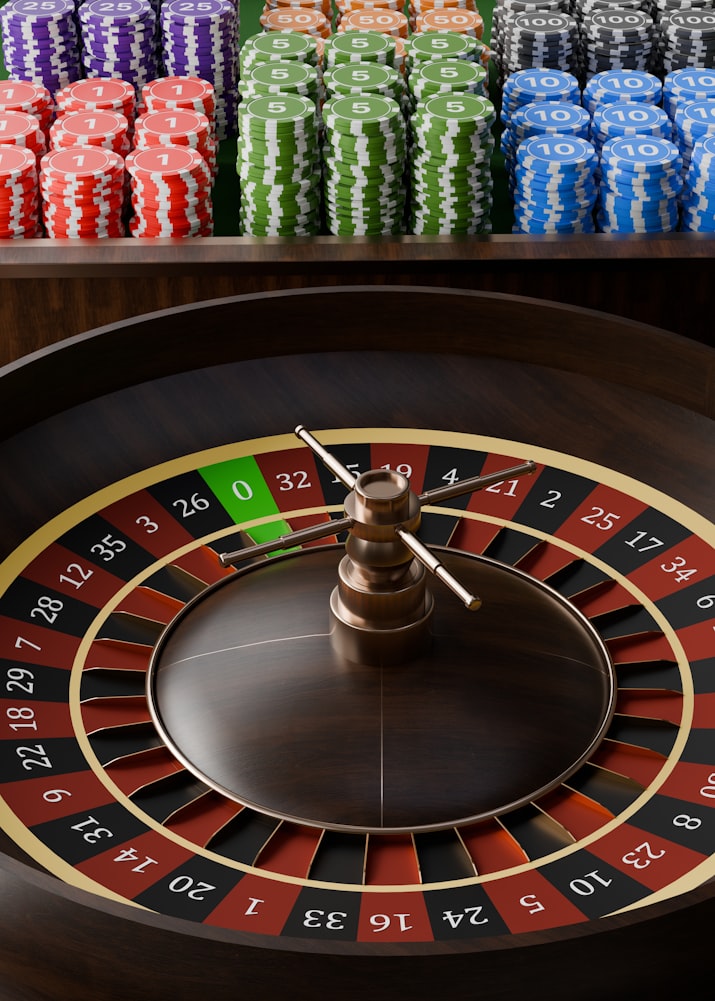
Understanding the distinction between luck and skill in gambling is essential for comprehending gambling behavior. In games of pure chance, such as slots or roulette, outcomes are determined entirely by luck. Gamblers often believe that their choices impact the results, which can lead to a persistent engagement with these games. For example, players may select specific machines or numbers based on personal significance, believing that these choices will yield better outcomes, even though the probabilities remain unchanged.
In contrast, games that involve skill, such as poker or blackjack, allow players to exert more control over their decisions. This skill-based element can create a false sense of security, leading players to believe they can consistently beat the house. The psychological investment in skill can result in longer playing sessions and higher financial stakes, as players try to outsmart their opponents or the dealer. This balance between luck and skill is critical in shaping how individuals perceive their own gambling experiences.
Ultimately, the interplay of luck and skill serves as a psychological battleground for gamblers. Those who view themselves as skilled players may be more likely to engage in gambling, feeling empowered by their abilities. On the other hand, individuals who rely solely on luck may experience feelings of helplessness when outcomes do not align with their hopes. This dichotomy creates a complex emotional landscape that can drive individuals deeper into the world of gambling.
The Psychological Traps of Gambling
Gambling can easily entrap individuals in a web of cognitive distortions that can lead to addiction. One of the most common psychological traps is the ‘sunk cost fallacy,’ where gamblers continue to invest in a losing proposition, believing that they must recover their losses. This mindset can lead to spirals of despair, as individuals often chase their losses by betting larger amounts, hoping for a turnaround that may never come. The emotional toll of this cycle can be devastating, both financially and psychologically.
Another psychological trap is the reinforcement schedule inherent in gambling. Slot machines, for example, use variable-ratio reinforcement, where wins are sporadic and unpredictable. This creates a sense of excitement and anticipation, as players repeatedly try to win without knowing when or if a win will occur. The uncertainty of when the next win will happen keeps them engaged, reinforcing the behavior even in the face of repeated losses.
Additionally, gamblers often rationalize their behavior through a variety of cognitive biases, such as confirmation bias and the gambler’s fallacy. Confirmation bias leads players to focus on their wins while ignoring losses, reinforcing the belief that they can win again. The gambler’s fallacy—the belief that past events influence future probabilities—can lead individuals to make irrational decisions, continuing to gamble despite evidence that their luck may not change. These psychological traps create a dangerous cycle that can ensnare even the most rational individuals.
The Impact of Environment on Gambling Behavior
The environment in which gambling occurs significantly influences behavior and decisions. Casinos are designed to create an atmosphere that encourages prolonged play, utilizing architecture, lighting, and sounds to promote a sense of euphoria. The lack of clocks and windows keeps players disoriented regarding time, encouraging them to gamble longer than intended. This strategic design exploits the psychological effects of immersion, making it challenging for individuals to recognize their actual time and financial expenditure.
Moreover, social influences play a critical role in gambling behavior. Gamblers often mimic the actions of those around them, influenced by social cues and peer pressure. In group settings, the atmosphere can amplify excitement and risk-taking, pushing individuals to gamble more than they would alone. This phenomenon can create a sense of belonging, where individuals feel part of a community driven by shared experiences, even if these experiences lead to negative consequences.
Technological advancements have also transformed the gambling landscape, making it easier for individuals to gamble online or through mobile apps. The convenience and accessibility of online gambling can blur the lines of responsible play, as players can engage in gambling behaviors in the comfort of their homes. This shift in environment affects psychological engagement, often leading to higher rates of problem gambling due to the lack of physical barriers and immediate feedback from others.

Understanding Gambling Behavior Through Research
Research into gambling behavior continues to uncover the complex interplay of psychological, social, and environmental factors. Studies have shown that certain personality traits, such as impulsivity and sensation-seeking, correlate with a higher likelihood of problematic gambling. By understanding these traits, interventions can be designed to mitigate risks and promote responsible gambling practices.
Furthermore, neuroscientific research has revealed the brain’s response to gambling-related stimuli. Imaging studies show that the anticipation of a reward activates brain regions associated with pleasure, similar to the responses seen in substance addiction. This information is crucial for developing treatment approaches for those struggling with gambling addiction, as it highlights the need for comprehensive support systems that address both psychological and neurological aspects.
Ultimately, ongoing research is key to unraveling the complexities of gambling behavior. By understanding the motivations, triggers, and psychological mechanisms at play, we can create more effective prevention and intervention strategies to help individuals navigate the tempting yet treacherous waters of gambling.