

Sober Living Homes and Halfway Houses How do they work?
Content
However, these homes provide a supportive place to transition from an addictive lifestyle to one of sobriety and responsibility. People who have gotten sober and want to stay that way should consider moving into a halfway house or other group home dedicated to sober living.
Budgeting by bringing stable income to pay essentials like rent and groceries. Living with others by resolving conflict and compromising in house meetings. Failure to follow the rules may result in restricted living or even eviction. Program intensity usually begins high and adjusts dynamically as residents progress. A study conducted by the Journal of Substance Treatment in 2010 showed that residents of SLHs made improvements in a variety of areas. This measure includes 9 items and was developed by Humphreys, Kaskutas and Weisner to measure the strength of an individual’s affiliation with AA.
More resources about Sober Living:
Our intervention modifies motivational interviewing to address the specific needs of the offender population . Specifically, it helps residents resolve their mixed feelings (i.e., ambivalence) about living in the SLH and engaging in other community based services. Thus, the intervention is a way to help them prepare for the challenges and recognize the potential benefits of new activities and experiences. Prison and jail overcrowding in the U.S. has reached a crisis point.
- This is particularly concerning because our analysis of criminal justice offenders in SLHs showed alcohol and drug outcomes that were similar to residents who entered the houses voluntarily.
- They both work as a type of housing to ease the transition for people who no longer need inpatient treatment, but who aren’t yet ready to return home to fully independent living.
- Our team is here to help you decide if this is the right choice for you or your loved one.
- Our study design had characteristics that DeLeon, Inciardi and Martin suggested were critical to studies of residential recovery programs.
- Prices for sober house living range from modest amounts for the budget-minded to luxury housing with many amenities.
A great way to find a sober living house in your area is first to explore your network. Not all sober living homes are equal, so finding a place that an acquaintance has recommended could be helpful. Over the years, sober living houses have evolved to meet the needs of those in recovery. As such, sober living associations now make finding a residence easier. There are also plenty of independent sober living houses that have not changed their protocols much since the late 1940s when these residences came to be.
What to Expect in a Sober Living Home
SLHs have their origins in the state of California and most continue to be located there (Polcin & Henderson, 2008). It is difficult to ascertain the exact number because they are not formal treatment programs and are therefore outside the purview of state licensing agencies. Over 24 agencies affiliated with CAARR offer clean and sober living services. It is important to also keep in mind that the fees you are paying are crucial to maintaining your sobriety.
How many kids can you have in a home daycare AZ?
FAMILY CHILD CARE HOMES
A Small Family Child Care Home provides care for up to 6 children or for up to 8 children if certain requirements are met. A Large Family Child Care Home provides care for up to 12 children, or for up to 14 children if certain requirements are met.
Jeffrey’s mission is to educate and inform the public on addiction issues and help those in need of treatment find the best option for them. The Joint Commission for the Accreditation of Healthcare Organizations evaluates quality of care provided by healthcare organizations. Footprints has the Gold Seal of Approval, which is the highest standard.
Primary Outcomes
Sober living homes offer people in recovery a safe space to live, heal, and grow – without drugs and alcohol – during or after their treatment program. A critically important aspect of one’s social network is their living environment. Recognition of the importance of one’s living environment led to a proliferation of inpatient and residential treatment programs during the 1960′ and 70’s .
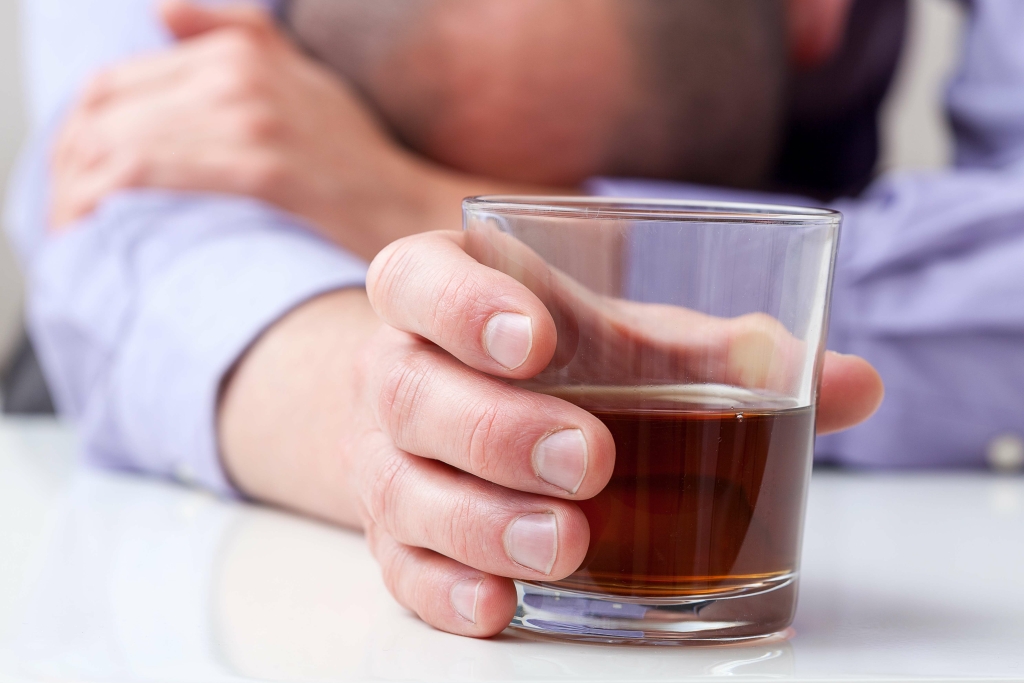
When you’re looking for support while you work on your sobriety skills, it’s important to understand the difference between sober living and halfway houses so you can decide which one might be right for you. Unlike a halfway house, sober living facilities are not specifically created for people progressing in their transition from incarceration. They are not so much a requirement of the law, as they what is a sober living house are advocates for structured, sober living, entire communities or individuals sharing a journey toward permanent freedom through detox and sobriety. It serves to help anyone who has recently completed addiction treatments remain sober for their foreseeable future. A safe haven during the recovery process, sober living opportunities range from loosely structured homes to scheduled facilities.
Is a Sober Living Home Right for Me?
While they are both residences designed to support folks in maintaining sobriety and transitioning back into society, there are some key differences. These are residential facilities that provide structure and support for those healing from addiction. They are designed to be a transitional space from residential treatment to mainstream society. Most likely, insurance will not cover this type of housing, because it is not considered a mental health treatment center.
What age can you babysit in SC?
Some states have explicit laws that say how young is too young to leave a child at home. South Carolina does not. However, there is non-binding, unofficial guidance from the state setting the minimum age at 8 years. That's a good rule of thumb for any parent in Greenville, SC to follow.
Both types of transitional housing have the goal of helping people integrate back into their everyday lives smoothly as they navigate the early stages of sobriety. However, each offers features that are best-suited for individuals of differing circumstances.
The City also continues to monitor the enactment of ordinances and resulting litigation in Orange County cities as well as State legislation that pertains to the authority of the City to regulate such facilities. Treatment providers are available 24/7 to answer your questions about rehab, whether it’s for you or a loved one. Submit your number and receive a free https://ecosoberhouse.com/ call today from a treatment provider. Standard admission requirements ensure that all residents move into the home with accurate expectations and that they clearly understand that ongoing sobriety is not negotiable. Requiring an admission application for every resident also allows you to determine if the resident would be a good fit for your sober living home.