
The Thrill of Risk: Understanding the Allure of High-Stakes Gambling
High-stakes gambling captivates individuals with an adrenaline-pumping rush that often leads them to take substantial risks. The excitement associated with wagering large sums of money creates a potent blend of anxiety and anticipation. This emotional experience activates the brain’s reward system, releasing neurotransmitters such as dopamine, which further enhances feelings of pleasure. For many, these encounters provide a temporary escape from everyday life, drawing them into a world where uncertainty reigns and fortunes can shift instantaneously. Among the various platforms available, MCW Casinos offer an exciting range of games that amplify the thrill of the experience. The anticipation of a potential win creates a thrilling atmosphere that can be addictive, making the experience hard to resist.
The psychological thrill can be even more intense when individuals play in prestigious environments, often filled with high-energy atmospheres that further stimulate the senses. The glitzy surroundings of high-stakes rooms in casinos, filled with buzzing sounds and flashing lights, reinforce the notion that a life-changing win could be just around the corner. This excitement drives players to chase that elusive high, often disregarding the significant financial risks posed by their gambling behaviors. The combination of anticipation and the possibility of winning big creates a compelling narrative that keeps players returning to the tables.
This blend of excitement and risk fulfillment can lead to a phenomenon known as the “gambling high,” where players become exhilarated by the act of betting itself. They often feel invincible, believing they can outsmart the odds or the house. This mindset is frequently reinforced by occasional wins, which can lead to a distorted perception of one’s success rate and an increased likelihood of returning to the table or machine for another round. The powerful emotions tied to high-stakes gambling can create a cycle that is challenging to break, resulting in potential financial and personal consequences. Understanding this cycle is crucial for anyone involved in high-stakes gambling, as it illustrates the importance of recognizing the fine line between enjoyment and obsession.
The Role of Cognitive Biases in Gambling Decisions
Cognitive biases significantly influence the decision-making processes of high-stakes gamblers. One common bias is the illusion of control, where individuals believe they can influence outcomes through their actions, even in games dictated by chance. This misperception can lead players to engage in riskier behavior, as they feel empowered rather than realizing that the odds are largely beyond their control. For instance, a player might believe that their lucky charm or strategy can sway the results in their favor, leading them to gamble more than they originally intended. This false sense of security can result in chasing losses and making poor financial decisions.
Another prevalent cognitive bias among gamblers is the gambler’s fallacy. This phenomenon occurs when players assume that past outcomes will affect future results, such as believing that a streak of losses means a win is imminent. Such thinking can lead to chasing losses, where individuals continue to gamble in hopes of recovering their previous bets. This bias can trap players in a cycle of betting more, each time convinced that luck will soon turn in their favor, often leading to significant financial losses. The gambler’s fallacy illustrates how easily rational thinking can be overshadowed by emotional impulses and misperceptions.
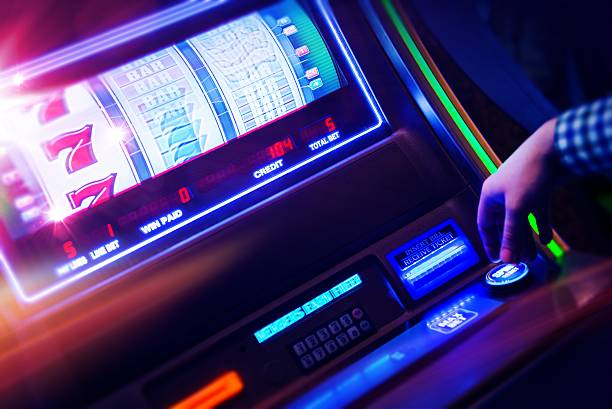
Furthermore, high-stakes gambling can be compounded by confirmation bias, where individuals only recognize information that confirms their beliefs. If a player wins big once, they may ignore the numerous times they lost and only remember that singular success, reinforcing the notion that they are destined for another win. This selective memory fuels the drive to gamble again, often with even higher stakes, as the memory of that one victory looms larger than reality. Such biases create a psychological framework that can lead to detrimental gambling habits, making it essential for players to be aware of these influences and how they can skew their decision-making processes.
The Social Dynamics of High-Stakes Gambling
The social aspect of high-stakes gambling plays a crucial role in its appeal, drawing individuals into a community built around shared experiences and excitement. Players often engage with friends or fellow gamblers, heightening the thrill of competition and camaraderie. These interactions can create a sense of belonging and foster connections, leading individuals to view their gambling as part of their social identity. The thrill of sharing a high-stakes game amplifies the emotional highs, making the experience feel more rewarding. This social reinforcement can make it difficult for individuals to step back and assess their gambling behaviors objectively.
Moreover, social pressure can also impact gambling behaviors. In a high-stakes environment, players may feel compelled to continue betting to maintain their image or uphold their status among peers. The desire to impress others can override rational judgment, leading individuals to gamble more aggressively. This social influence can be particularly potent in environments where high-stakes gambling is celebrated, such as exclusive events or celebrity gatherings, where the atmosphere encourages excessive risk-taking and lavish spending. This peer pressure can create a culture where risky gambling is normalized, making it challenging for individuals to recognize the potential pitfalls.
While social dynamics can enhance enjoyment, they can also mask the potential dangers of high-stakes gambling. Friends may encourage risky bets, and the competitive nature of the environment can lead to poor decision-making. Players may ignore warning signs of harmful behaviors because they are caught up in the moment and the excitement of the social milieu, emphasizing the need for responsible gambling practices even within a communal context. Recognizing the interplay between social dynamics and individual behavior can help players make more informed decisions and maintain control over their gambling activities, ultimately fostering a healthier relationship with gambling.
The Impact of Emotional States on Gambling Behavior
Emotional states significantly influence gambling behavior, as individuals often seek to manage their feelings through the act of betting. Many people turn to high-stakes gambling as a means of coping with stress, anxiety, or depression, believing that the thrill of a potential win can provide a temporary escape from their emotional turmoil. However, this reliance on gambling as a coping mechanism can lead to a destructive cycle, where negative emotions drive individuals to gamble, leading to further financial and emotional distress. This cycle can perpetuate feelings of guilt and shame, making it even more challenging for individuals to break free from harmful gambling habits.

In contrast, positive emotional states can also fuel high-stakes gambling, as individuals often engage in betting to celebrate achievements or milestones. The excitement of winning can elevate mood further, reinforcing the belief that gambling is a source of happiness. However, these highs can be fleeting, leading to disappointment when losses occur. This pattern can create emotional volatility, where an individual oscillates between euphoric highs and devastating lows, making it increasingly difficult to maintain a balanced perspective on gambling. Recognizing this emotional rollercoaster is essential for fostering healthier gambling habits and ensuring that gambling remains a recreational activity rather than an emotional crutch.
Understanding the connection between emotions and gambling is crucial for promoting responsible behavior. Players should recognize their emotional triggers and be aware of how their feelings can influence decision-making at the gambling table. By developing healthier coping mechanisms and emotional awareness, individuals can mitigate the negative impacts of emotional gambling and make more rational choices in high-stakes situations. This understanding can also promote a healthier relationship with gambling, allowing it to remain a source of entertainment rather than a harmful escape. Establishing a balance between emotional well-being and gambling activities is vital for long-term success.
Staying Informed Through Online Resources
As the interest in high-stakes gambling grows, so does the availability of online resources dedicated to educating players about the psychological aspects of betting. These platforms offer valuable insights into the motivations behind gambling behaviors, helping individuals understand the nuances of their actions. By exploring these resources, players can gain a deeper understanding of cognitive biases, emotional influences, and the social dynamics that shape their gambling experiences. Knowledge is power, and being informed can empower players to make better choices regarding their gambling activities.
Additionally, websites often provide information on responsible gambling practices, emphasizing the importance of setting limits and recognizing when to stop. This awareness is essential for anyone who participates in high-stakes gambling, as it can help prevent the development of harmful behaviors. Resources focused on mental health and emotional well-being can also guide players in finding healthier ways to cope with stress or emotional challenges without resorting to gambling. By creating a culture of awareness and education, the gambling community can promote healthier practices that benefit everyone involved.
By staying informed and utilizing online resources, individuals can foster a more balanced approach to high-stakes gambling. Engaging with educational content helps demystify the motivations behind gambling, empowering players to make conscious decisions that prioritize their well-being. Knowledge can lead to more enjoyable and responsible gambling experiences, allowing individuals to appreciate the thrill of the game while minimizing the risks associated with high-stakes betting. Ultimately, informed players are more likely to enjoy gambling as a form of entertainment rather than a source of stress or anxiety.