The post How Long Does a Cocaine High Last? What to Expect appeared first on Admiralty International.
]]>This type of therapy is effective in helping people overcome addiction and making other positive changes in their lives. Mixing alcohol and cocaine has also been shown to increase cravings for each substance, leading to a higher risk of dependence. Cocaine typically stays in your system for 1 to 4 days but can be detected for a couple of weeks in some people.
How Long Crack Cocaine Remains In Urine
The powder is mixed with water and baking soda and heated to create an inhalable rock-like substance. Along with the many potential physical health risks, regular cocaine use https://ecosoberhouse.com/ can also lead to other problems related to finances, mental health, relationships, and the law. If you are using cocaine, get help before these problems develop or escalate.
Cocaine, also known as coke, is a powerful stimulant drug that can rapidly result in a person developing an addiction. As it causes an intense but brief high, people who abuse cocaine tend to do so regulatly in order to continue feeling the short-lived effects. But ultimately, as their tolerance grows, many find themselves dealing with a harmful dependency. This means that a person will enter withdrawal shortly after stopping cocaine and that a blood, saliva, or urine test will only show the presence of cocaine for a few days.
How Do People Try to Alter Test Results?
This means you need more of a substance to get the same effect you once did. People use coke for its intense psychological effects, like euphoria and boosted confidence. But it can also produce some not-so-pleasant psychological and physical effects. Some people process cocaine into a rock and smoke it, which we’ll get to next.
How Long Will Illicit Drugs Remain Detectable in My System? – Sydney Criminal Lawyers
How Long Will Illicit Drugs Remain Detectable in My System?.
Posted: Wed, 15 Mar 2023 07:00:00 GMT [source]
If addiction is suspected, one should contact a professional rehabilitation and addiction treatment center to guide the user and provide all the relevant information. Total detoxification of coke in long-term how long does cocaine stay in your system consumers usually takes six months, which can best be possible in a professional detox facility. Saliva testing, also known as oral fluid testing, is another method used to detect the presence of cocaine.
The post How Long Does a Cocaine High Last? What to Expect appeared first on Admiralty International.
]]>The post Abstinence vs Moderation: Everything You Need to Know Medium appeared first on Admiralty International.
]]>Content
- Related terms:
- Short Term vs. Long Term Sobriety
- Sobriety: A Holistic Lifestyle Transformation
- Defining What It Means to Be Sober
- Sober as in “Not Drunk”
CRA recognizes that the notion of long-term abstinence may seem overwhelming at treatment onset and consequently could lead to dropout. So instead, CRA therapists first discuss the advantages of a “trial period” of sobriety, such as the opportunity to gain family support and test new coping strategies. Regardless of whether the client settles on 3 or 30 days, the next appointment should occur prior to the end of the contracted period of sobriety so that additional trial periods of abstinence can be linked.
What does it mean to be 100 sober?
The Simple and sober meaning essentially boils down to 'not being drunk. ' It refers to being free from any form of intoxication.
Some of those with dry drunk syndrome end up relapsing, yet there is still a population that stays sober for a long time but does not succeed in restoring their lives. Abstinence refers to a conscious decision and commitment to completely refrain from the use of addictive substances. It is a foundational sober house concept in addiction recovery, typically employed within 12-step programs like Alcoholics Anonymous (AA) or Narcotics Anonymous (NA). Individuals practicing abstinence completely eliminate alcohol or drugs from their lives, striving to remain clean and sober on a long-term basis.
Related terms:
While the two terms are often used interchangeably, they represent distinct paths to recovery. In this blog post, we will explore the disparities between abstinence and sobriety, shedding light on their unique implications and highlighting the benefits of each approach. It’s a life-long commitment to living a healthier, more productive life. It’s about finding a balance between the things you enjoy and what you have to give up. It’s about making an active choice not to do certain things and living a lifestyle that will help you get out of a cycle of self-destructive behaviors that no longer serve you.

Studies of AA are difficult to conduct, however, because the members are usually devoted to one of the guiding principles of AA, anonymity, making it difficult to follow particular individuals over time. Those studies that have been conducted have produced results that are consistent with the idea that social support for sobriety can enhance treatment outcome. The dry drunk syndrome occurs when an addict stops using alcohol or drugs but still behaves as if they are struggling with addiction. Individuals with the dry drunk syndrome are often unhappy in their sobriety and would rather be drinking or using drugs because they have not found the joy that sobriety can bring when healing occurs. Many are stuck in the early stages of recovery where they haven’t yet learned healthy coping strategies to deal with the stressors of everyday life.
Short Term vs. Long Term Sobriety
If you want to get sober and stay sober, there are ways to improve your chances for long-term sobriety. Please note this is way beyond what the Centers for Disease Control and Prevention (CDC) define as moderate drinking, by the way. The CDC suggests a maximum of 2 drinks per day for men and only one drink per day for women. Some people treat short-term sobriety as a way to lose weight or as a response to an indulgent vacation.
Is recovery more than abstinence?
The Differences Between Abstinence and Recovery. In other words, abstinence is the removal of something negative from your life. Recovery is the removal of something negative and the consequential replacing of that negativity with a positive lifestyle change instead.
You can’t commit your life to nothingness, only to health, your goals and plans, and your belief in yourself. In the present follow-up, the recovery process for clients previously treated for SUD was investigated, focusing on abstinence and CD. All the interviewees had attended treatment programmes following the 12-step philosophy and described abstinence as crucial for their recovery process in the initial interview, five years ago. In previous https://www.healthworkscollective.com/how-choose-sober-house-tips-to-focus-on/ research, several indicators of whether CD is possible are mentioned (Klingemann and Rosenberg, 2009; Klingemann, 2016; Davis et al., 2017; Luquiens et al., 2011; Berglund et al., 2019). Clients reporting CD in the present study only met one of these criteria – an initial period of abstinence (Booth, 2006; Coldwell and Heather, 2006). However, the results show that the view on abstinence and CD can change during the recovery process.
The post Abstinence vs Moderation: Everything You Need to Know Medium appeared first on Admiralty International.
]]>The post When Does Social Drinking Become ‘Problem Drinking’? appeared first on Admiralty International.
]]>Content
- Signs Your “Social Drinking” May Actually Be Alcoholism
- Will post offices be closed during a government shutdown?
- History of Social Drinking
- Synonyms and antonyms of social drinking in the English dictionary of synonyms
This is especially true during the early months of your sobriety when you are the most vulnerable. A 2010 study published in the Journal of Abnormal Psychology revealed that men who consumed moderate amounts of alcohol perceived friendly photos of women as sexual. Therefore, consuming the substance in social settings can give way to miscommunication. Individuals often turn to alcohol before an evening out with friends. For many, it is perceived to be a social lubricant that improves mood, reduces self-consciousness and enhances social skills. Since 2009, the cost of entertaining guests has more than tripled, as more is being spent on wine, liquor and cocktails.
- However, they may have a low tolerance to alcohol and a high risk of getting drunk if they overindulge.
- Free alcoholic drinks may also be offered to increase attendance at a social or business function.
- If their dependence is strong, the drinking may be something more than social—or at least heading that way, if the individual doesn’t take steps to reverse the trend.
- Cruise vacations won’t necessarily feel the effects of a shutdown.
Careless social drinking could cause individuals to drink and drive, commit violence, have unprotected sex or black out. Alcohol poisoning, another potential consequence, could lead to death. In 2014, nearly 88 percent of people 18 and older reported drinking alcohol at some point in their lives, per the National Institute on Alcohol Abuse and Alcoholism. The wide availability of alcohol has contributed to its use during many special occasions.
Signs Your “Social Drinking” May Actually Be Alcoholism
The social drinker may show signs of physical dependence on alcohol, including blackouts, seizures, convulsions, and physical withdrawal symptoms which begin soon after drinking alcohol [4]. Social drinking becomes problematic when an individual drinks more alcohol than is socially acceptable, and begins to show signs of alcohol abuse or of alcohol use disorder [1]. A social drinker is someone who regularly drinks alcohol with friends, family, or colleagues in group settings and at social gatherings [1], but does not suffer from alcohol use disorder. Accidents while under the influence of alcohol are rare for social drinkers but almost unavoidable for alcoholics who drive. Alcoholics end up in alcohol-related accidents, while social drinkers do not. Social drinkers seldom rationalize drinking and driving, because they know the potential dangers of this choice.
The BJP Can Only ‘Defend’ an Orthodox Position of Sanatana Dharma Where ‘Meanings’ Do Not Matter – The Wire
The BJP Can Only ‘Defend’ an Orthodox Position of Sanatana Dharma Where ‘Meanings’ Do Not Matter.
Posted: Mon, 25 Sep 2023 15:34:11 GMT [source]
Alcohol disrupts our ability to interpret the motives of others, leading to social mistakes or even violence. Alcohol helps create a comfortable environment for some partygoers. Alcohol enhances dopamine levels, increasing drinkers’ generosity, empathy and friendliness.
Will post offices be closed during a government shutdown?
In ancient Greece, Socrates would offer wine to philosophers during gatherings. In the 16th century, Mexicans would drink pulque, a fermented drink, in vinaterías. In Colonial America, early settlers would fill taverns and share news with one another. Employees who worked overtime or earned other premium pay can typically also claim those extra wages once the shutdown ends. Shutdowns have become so commonplace in Washington that the Office of Management and Budget publishes guidance for federal employees on what to expect when one is approaching. That includes a large number of federal prosecutors and investigators, postal workers and Transportation Security Administration employees.
- This level can be reached for most people by four or five drinks in a two-hour span,” Lander said.
- Calls to our general hotline may be answered by private treatment providers.
- If funding lapses, the White House has said nearly seven million women and children could lose critical access to food, and the federal contingency fund to keep the program running could run dry within days.
As the deadline to fund the government approaches, the White House has sought to stress the sheer variety of programs and services that would suffer while blaming House Republicans for the standoff. “If we have a shutdown, WIC shuts down, and that means the nutrition assistance to those moms and young children shuts down,” Tom Vilsack, the agriculture secretary, told reporters on Monday. For hundreds of thousands of federal employees, that means either being furloughed while the government is closed, or continuing to work without pay.
History of Social Drinking
In some cases, they can produce significant losses for the communities that depend on tourism. Cruise vacations won’t necessarily feel the effects of a shutdown. National parks, on the other hand, could be impacted right away. While the decision on whether to close them will be up to the Biden administration, some of the nation’s parks have closed entirely during past shutdowns.
If you find yourself relating to even a few of these statements, stop drinking, socially or otherwise, and seek the help of an addiction treatment specialist. Drinking regularly, socially or not, can cause alcohol addiction. Regular consumption of alcohol at social functions could increase your tolerance and desire to drink more. Social drinking can be a low-risk activity done in secure environments. However, people tend to drink more in social situations, which can harm the drinker and his or her peers. Alcohol is prevalent before and during professional sporting events.
Synonyms and antonyms of social drinking in the English dictionary of synonyms
Consequentially, people may focus on pleasures rather than consequences. Some researchers say alcohol increases stress, but studies have provided inconsistent results. Investigations often use college students with varying levels of social anxiety to examine the theory, rather than patients with social anxiety disorder. Alcohol helps some people take the edge off in social situations.
- Basically, a social drinker is one who drinks without letting the habit degenerate into alcoholism.
- People who abuse alcohol also put themselves and others at risk if they drive or operate machinery after drinking too much.
- Many federal agencies have plans in place to weather a shutdown, but a disruption would still affect critical government services.
- It’s a cumulative problem, and something you may find yourself facing at some point in your life.
But they may struggle to recognize how much alcohol is too much. In contrast, alcoholics may be given countless reasons to cut back on their drinking but they are unable to permanently cut back. Alcoholics may have occasions where they drink in a low-risk manner, but they inevitably return to their alcoholic drinking patterns. The erosion of self-esteem drives alcoholics to drink with every difficult decision or challenge in their lives. They feel they can’t function without the drinking becomes a regular activity and clearly a dependency that will not be alleviated without taking drastic, life-changing measures. Alcoholics often rationalize or conceal their drinking, hiding alcohol abuse out of shame or fear of disappointing or alarming family members and close friends.
Social Anxiety Disorder and the Tension Reduction Theory
Moderate social drinkers don’t use alcohol to self-medicate mental health conditions, nor do they experience physical cravings for alcohol. However, problem social social drinking problem drinkers can experience these issues, especially if they consume alcohol excessively. There are non-drinkers, occasional drinkers, social drinkers, and alcoholics.
- Our team does their best for our readers to help them stay informed about vital healthcare decisions.
- There are always social activities that do not involve drinking.
- It’s characterized by an inability to cut back on alcohol without the help of an addiction treatment professional.
- There’s an increasing concern every year for the number of overdose deaths, with just over 261 deaths per day, involving alcohol as well as the myriad of diseases caused by alcohol abuse.
There are other ways to relax, fit in, celebrate or promote better heart health. But in American culture, many people start drinking without giving it a second thought. The https://ecosoberhouse.com/article/cognitive-behavioral-therapy-cbt-for-addiction-and-substance-abuse/ distinction is “low-risk drinking” versus “harmful drinking.” Social drinking can be low-risk for most people if they know their limitations and can pace themselves.
Various cultures and traditions feature the social practice of providing free alcoholic drinks for others. For example, during a wedding reception or a bar mitzvah, free alcoholic drinks are often served to guests, a practice that is known as “an open bar”. Free alcoholic drinks may also be offered to increase attendance at a social or business function.

The post When Does Social Drinking Become ‘Problem Drinking’? appeared first on Admiralty International.
]]>The post Tips on How to Rebuild Your Life and Career After Addiction appeared first on Admiralty International.
]]>Content
- What Starts in Treatment Must Continue
- Tips For Rebuilding Your Life After Addiction
- Improving Your Life After Addiction at Renaissance Recovery
- How Can I Improve My Self-Esteem?
- Rebuilding Trust After Addiction Recovery
- Talk about Your Life After Substance Abuse Treatment
Thus, it’s very common for rehab patients to have very negative opinions about themselves. Most people who enter into treatment do so with very low self-esteem. That’s because people that enter addiction treatment often feel that they are failures. It’s important to make sure that you are doing the best you can on a daily basis.
What are 4 different forms of addiction?
- Alcohol addiction.
- Prescription drug addiction.
- Drug addiction.
- Heroin addiction.
- Opioid addiction.
You likely used to spend the majority of your days drinking alcohol or using illegal drugs, which didn’t leave much time to do other things. Addicts feel lonely and empty during early recovery because we don’t have our escape anymore. When addicts get sober we have a huge hole in our hearts. Heroin and cocaine was the love of my life halfway house for years, and when I stopped I felt this huge void like I lost a loved one. My friends and family were tired of my broken promises so what really started to show them I was serious about being and staying sober was my actions. They saw I was on time, going to meetings, paying my bills, exercising, just overall being a better person.
What Starts in Treatment Must Continue
I spent years lying, cheating, and stealing from my family, they aren’t just going to trust me after a few months sober. During recovery, many people attend at least one support group meeting per https://en.forexpamm.info/purpose-and-structure-of-oxford-house/ week. If one of your loved ones won’t accept your apology or doesn’t want to see you, respect their decision. You can try to apologize again once they’ve had more time to process the situation.
The most critical step to follow after addiction treatment is to identify your life goals and set about following them. The positives can now be set with the right conditions. These goals can be anything from continuing your education to rebuilding relationships with family members and friends. Your family members and friends can be a huge support during your addiction recovery.
Tips For Rebuilding Your Life After Addiction
Addiction is an insidious disease that affects the addict and his or her entire family and community. The consequences of being addicted can severely damage the life, relationships, health, and abilities of an addict. There are many things to do in the Austin area that you can enjoy without drugs or alcohol. Besides support groups, you can find inspiration in reading about listening to others that have battled addiction. There are many books and podcasts available where people share their journey with drugs and inspire those who are struggling. Pursue an education or a job – Those in recovery often find the most purpose in landing a job or continuing their education after rehab.
It won’t be easy, but with determination and support, you can create a new life for yourself. Over time, you can begin to repair the damage addiction has caused. Have an honest conversation about your addiction and how it’s affected your relationship.
Improving Your Life After Addiction at Renaissance Recovery
One of the best places to develop these friendships is a support group. The CDC recommends that adults get at least seven hours of sleep per night. Most people with addiction struggle to meet this requirement. When you’re in recovery, a lack of sleep makes it difficult to build a productive life.
The first step is to understand how addiction has affected you. If you’re reading this, then you or someone you know is struggling with addiction. Continuing treatment will give you a solid support system and ensure you don’t lose track of all the progress you’ve made.
How Can I Improve My Self-Esteem?
During treatment, a client will be able tolearn effective ways to communicate with othersand how to truly listen to what another person is saying. There are healthy ways to deal with conflicts that don’t end up with someone feeling as though they need to tune out by using drugs or having a drink.
- A holistic program helps you not only overcome your addiction but also helps you with these other areas that need to be addressed in your recovery.
- Once you’ve completed a stay at an addiction treatment center like anOrange County rehaband return to life, the real work to restart a new life after addiction begins.
- Tackling ‘life laundry’ tasks head-on is a marvelous way to improve your mood.
- In fact, some might argue that it’s nearly the beginning.
- No doubt, building a healthy and purposeful life after treatment can be challenging, but the right tools and positive mindset can serve as a springboard.
An aftercare plan is developed while a person is still in treatment. A mental health or addiction treatment professional will assist you in creating a long-term plan for the future. It will include ways to prevent relapse, stay engaged in recovery, and improve functioning in other areas of your life. Rehab aftercare—also referred to as continuing care—is a valuable part of addiction treatment. Making amends is a part of the recovery process that starts early on in rehab. Making amends is difficult, time-consuming, and requires dedication, so it’s unrealistic to think that you’ll be done in a matter of weeks or even months.
The post Tips on How to Rebuild Your Life and Career After Addiction appeared first on Admiralty International.
]]>The post The Twelve Steps: What Is The 12 Step Program To Recovery? appeared first on Admiralty International.
]]>Content
- Twelve-Step Programs of Recovery
- Online Meetings
- How effective is it?
- You are unable to access recovery.org
- Support Children’s Health
Most of the studies that measured abstinence found AA was significantly better than other interventions or no intervention. Adult Children of Alcoholics
A 12-step program for people who grew up in alcoholic or otherwise dysfunctional homes. As people in recovery develop their spirituality, they typically use prayer and meditation to strengthen this relationship. US addiction specialist Dr Lance Dodes describes the perception that the 12 steps works as a “sampling” bias. Dodes estimates the success rate of 12-step fellowships to stand at roughly 5-8%. That means for every person you see at a meeting, there are 18 or 19 who have sat there before, and for whom the method hasn’t worked.
- If you or someone you know is struggling with addiction, it can be difficult to know where to turn for help.
- Sure, the world becomes embroiled in new battles with new forms of addiction every day.
A question of concern is whether certain subgroups or special populations benefit as fully, or in the same way, from participation in 12-Step support groups. For example, are women, youth, ethnic minorities, and those diagnosed with substance use and psychiatric disorders, apt to derive the same benefits from 12-Step http://time.kg/todaynews/21892-studiya-marvel-pokazala-treyler-doktora-strendzha-s-kamberbetchem.html participation as White, non-dually diagnosed male adults? Alcoholics Anonymous developed the first 12-step program, but such programs now exist in many different forms. One study also critiqued the 12-step program for being too inflexible and marginalizing and for including nonnegotiable beliefs and ideologies.
Twelve-Step Programs of Recovery
These traditions help guide how 12 step recovery programs operate. The traditions focus on the importance of unity, effective leadership, and independence. They also address questions related to financing the group and managing public relations. Many members of 12-step recovery programs have found that these steps were not merely a way to overcome addiction, but they became a guide toward a new way of life. Some of the best-known 12-step programs include Alcoholic Anonymous (AA), Narcotics Anonymous (NA), and Cocaine Anonymous (CA). They also admit that their way of life needs to be changed and then decide to be better and sober human beings.

Also, keep in mind that members can choose not to share, that is, to “pass” at any time during the meeting. “I am an agnostic, so the emphasis on spirituality excludes me.” Although people in AA often speak of God, the program uses https://www.parami.org/the-noble-eight-fold-path/ the term “higher power” and gives people great freedom in interpreting it. It is described as anything outside yourself that you believe can help you to get better; it can be God, the AA fellowship, or nature if that works for you.
Online Meetings
After the success of the twelve steps, various other substance abuse support groups adopted these stages as parts of substance abuse treatment. The Recovery Village aims to improve the quality of life for people struggling with substance use or mental health disorder with fact-based content about the nature of behavioral health conditions, treatment options and their related outcomes. We publish material that is researched, cited, edited and reviewed by licensed medical professionals. The information we provide is not intended to be a substitute for professional medical advice, diagnosis or treatment.
Continued to take personal inventory and when we were wrong promptly admitted it. Sought through prayer and meditation to improve our conscious contact with our Higher Power, praying only for knowledge of His will for us and the power to carry that out. Having had a spiritual awakening as the result of these steps, we tried to carry this message to drug and alcohol addicts, and to practice these principles http://vremyakultury.ru/kartiny-na-zhivyx-polotnax/ in all our affairs. Alcoholics Anonymous is the largest of the different twelve-step programs. The largest numbers of twelve-step members are in recovery for addiction to drugs or alcohol; however, the majority of twelve-step programs deal with other issues. An example of this is Al-Anon, the third largest twelve-step program which assists family members of individuals with an addiction.
How effective is it?
Although helping clarify such issues, motivational interventions, if effective at increasing 12-Step engagement, appear to do so primarily for those substance abusers with limited prior experience with 12-Step groups (Kahler et al., 2004; Walitzer, Dermen, & Barrick, 2009). Researchers have also explored whether ethnic minorities participate in and/or benefit from traditional 12-Step groups in the same way as Whites. Similar to described for women, ethnic minority groups also may view 12-Step group meetings comprising primarily majority White members as less welcoming and supportive. However, there does appear to be evidence that ethnic minorities may involve themselves to the same extent in and derive comparable benefits as Whites from 12-Step programs (Hillhouse & Fiorentine, 2001). SMART Recovery is a secular alternative to 12-step programs like AA.
The post The Twelve Steps: What Is The 12 Step Program To Recovery? appeared first on Admiralty International.
]]>The post Alcoholism Medications and How They Work appeared first on Admiralty International.
]]>Content
- Is medication for alcohol use disorder effective?
- This is only a summary of the most important information about VIVITROL.
- Medication for the Treatment of Alcohol Use Disorder: Pocket Guide
- Implementing Medication Use in Primary Care Settings
- Recovery Connection
Naltrexone is considered a comparatively safe medication, and treatment may be indefinite. Like most treatment medications, Naltrexone is a prescription medication and should only be taken under the supervision of a physician. Although Naltrexone is not known to interact adversely with alcohol, it should only be prescribed after the patient has already ceased use entirely and completed the detox process. Because of certain side effects, Naltrexone should only be prescribed after the physician is sure that the patient’s liver is functioning properly and the patient is not pregnant. The main contraindication to taking acamprosate is severe kidney disease. The prescribing healthcare professional can answer questions and provide guidance about the use of acamprosate for alcohol use disorder.
It is important to caution individuals that they can experience the reaction with any product containing alcohol such as certain mouthwashes and cold remedies, alcohol-containing mouthwash, and food prepared with alcohol. Detoxing from alcohol is often the first phase of the rehabilitation process for those looking to recover from alcohol use disorder (AUD). Before starting treatment, discuss each option with your health provider to determine the right form for you.
Is medication for alcohol use disorder effective?
SSRIs probably do not benefit patients who are not depressed but might benefit those who are depressed. Topiramate facilitates GABA function and antagonizes glutamate, which should decrease mesocorticolimbic dopamine after alcohol and reduce cravings. One double-blinded trial with 150 subjects for 12 weeks suggests this is the case (decreased drinking, decreased craving, and greater abstinence). Topiramate is not approved for this use by the US Food and Drug Administration. Most, but not all, studies found that naltrexone decreases relapses but the effect is modest (12–20%).

Since there’s no telling how the body will react during the withdrawal process, it is highly recommended that individuals check into a rehab facility where their health can be monitored. Alcohol rehab will keep them safe and secure throughout detox and the initial phases of the recovery process. Sometimes researchers find new uses for existing medications, which is helpful since they start from the point of already knowing potential side effects. A study from the National Institutes of Health (NIH) indicates the heart medication spironolactone may be effective for patients with alcohol use disorder.
This is only a summary of the most important information about VIVITROL.
Nicotinic compounds, including agonists, partial agonists, and antagonists, currently are under investigation for the treatment of alcoholism. Laboratory studies also have shown that varenicline, a partial agonist approved for smoking cessation, can reduce craving and drinking in smokers who drink heavily (McKee et al. 2009). A preliminary study among smokers receiving varenicline for smoking cessation found that it significantly reduced heavy drinking (compared with a placebo) during an extended pretreatment period (Fucito et al. in press). Studies are ongoing to evaluate sober house the efficacy of these two compounds in clinical trials of alcohol-dependent patients. One of the few medication trials actually conducted in primary care sites (Kiritze-Topor et al. 2004) compared standard care to standard care with acamprosate among 422 alcohol-dependent patients recruited and treated for 1 year in general practices. Patients treated with acamprosate and standard care showed significantly greater improvement, with 64 percent reporting no alcohol-related problems for 1 year compared with 50.2 percent of those receiving standard care alone.
What treatment do they give alcoholics?
- Self-help groups. Many people who have alcohol dependency problems find it useful to attend self-help groups, such as Alcoholics Anonymous (AA).
- 12-step facilitation therapy.
- Cognitive behavioural therapy (CBT)
- Family therapy.
Combining naltrexone therapy with cognitive behavioral therapy enhanced benefit. One study showed benefit with an intensive primary care intervention. Studies suggest that virtually all placebo patients who sampled alcohol relapsed, while only half the naltrexone patients who sampled alcohol relapsed. Treatment of alcohol withdrawal is best accomplished with benzodiazepines. This results in use of lower doses of benzodiazepines, less patient sedation, and earlier patient discharge. Lorazepam and oxazepam are preferred for patients with significant liver disease because the half-lives of other benzodiazepines can be significantly prolonged.
Medication for the Treatment of Alcohol Use Disorder: Pocket Guide
With the advent of pharmacotherapy and models of counseling appropriate for use in primary care settings as well as in specialty care, clinicians have new tools to manage the range of alcohol problems across the spectrum of health care settings. By extending treatment to primary care, many people who do not currently receive specialty care may have increased access to treatment. In addition, primary care providers, by virtue of their ongoing relationship with patients, may be able to provide continuing treatment over time. Extending the spectrum of care to hazardous drinkers who may not be alcohol dependent could result in earlier intervention and reduce the consequences of excessive drinking.
Disulfiram is not a cure for alcoholism, but rather a deterrent utilized to discourage alcohol consumption. Naltrexone was initially used to treat Opioid addiction, including Heroin treatment. Recovering addicts taking Naltrexone no longer experienced the pleasurable sensations association with Opioid use and were therefore less motivated to continue drug abuse. Although the exact mechanism is not entirely understood, the brain interacts with alcohol in a very similar manner to how it reacts with Opioids; Naltrexone also suppresses the euphoria and pleasurable sensations of alcohol. Alcoholics no longer receive a “reward” for drinking once they are on Naltrexone and are therefore less likely to continue consumption. Librium is a benzodiazepine used to treat anxiety and acute alcohol withdrawal symptoms.
The post Alcoholism Medications and How They Work appeared first on Admiralty International.
]]>The post How to Open a Sober Living Home A Complete Guide to Start a House appeared first on Admiralty International.
]]>
The Benefits of Sober Living Homes
While a sober living house doesn’t offer individual or group counseling, it offers structure and support to help you maintain your sobriety. Additionally, maintaining your sobriety typically requires a home that is free of substances. Sober House Sober living facilities are often thought of as a sober person’s pipeline to life in mainstream society. Eudaimonia Recovery Homes has successfully owned and operated sober living homes for men and women in recovery since 2009.

Does Transcend Have A Sober House in NYC?
- These facilities still exist today and are used primarily for those who have been incarcerated or are unhoused.
- There are thousands of sober living houses and facilities all over the country.
- As you determine what his or her salary will be, you may want to consider including free or reduced-price lodging and meals, as this is a common practice.
- Sober living homes make the difference for many people between ongoing addiction and freedom from substance abuse.
This may involve learning time management, budgeting, job-seeking skills, and other essential skills to navigate day-to-day life during and after their stay in the facility (Addiction Treatment). Sober living homes often provide access to both group and individual therapy sessions. Group therapy allows residents to connect with others who are facing similar challenges, while individual therapy sessions provide personalized support to address specific issues and foster personal growth.
- All sober houses have a zero-tolerance policy regarding the use of drugs or alcohol.
- Sober living homes provide a structured environment that supports recovery and personal growth.
Gender-Specific Sober Living Homes
In the 1950’s, “Halfway houses” (often funded by the government) were founded due to concerns about sustaining personal recovery after treatment. Today halfway houses are still used as a way to foster re-entry into society for addicts and sometimes https://thefloridadigest.com/top-5-advantages-of-staying-in-a-sober-living-house/ for prison inmates. Since the sober living home industry has been undergoing many changes, many people may not be aware of the options, and it can be difficult to find a quality sober living home if you don’t know where to look.
Members of the sober living community support and motivate each other to avoid relapsing into past behaviors. While sober living houses have research touting their efficacy, it is also important to remember that they are still environments where you are living with others and the focus is on staying sober. Halfway houses, also known as sober re-entry programs, tend to be more structured.
Community and Support
The services and facilities provided by Avenues NYC (collectively, “Services”) do not include, comprise or involve any form of medical advice, oversight, diagnosis, care or treatment. The Services should only be used in conjunction with the guidance and care of your physician(s). Sober living is about more than just having a safe, comfortable place to come home to. To provide residents with additional support during their stay, Avenues NYC provides essential in-house services to all our residents. Client service coordination, clinical referral, and integration coaching services are included in sober living residency to provide consistency and accountability while promoting purpose-driven change. However, outpatient rehab that you may attend during your time in a sober living home may be covered by insurance.

There is real power in being a member of a community of kindred spirits, all striving to improve themselves. Sober living is one important way to build a network of people you can rely on to sustain, and celebrate, a life of recovery. Other residents learn this as they stay for a certain period until they are fit enough to integrate themselves into the outside world independently. Staff Members – Luxury sober living homes are staffed with skilled professionals to cater to residents’ needs, as well as assuring everyone’s safety and comfort. Contact us or continue reading to see how Transcend Recovery Community’s high-end sober living and luxury sober living homes can assist you.
The post How to Open a Sober Living Home A Complete Guide to Start a House appeared first on Admiralty International.
]]>The post Children of Alcoholics Impact & Effects of Alcoholic Parents appeared first on Admiralty International.
]]>Content
- Therapists are Standing By to Treat Your Depression, Anxiety or Other Mental Health Needs
- The relationship between parental substance abuse and child maltreatment: Findings from the Ontario Health Supplement
- Marital and Family Functioning
- Psychological and Emotional Effects
On the other hand, males are more prone to developing externalizing symptoms including aggressive and impulsive behavior . The parent-child power imbalance is helpful and healthy in homes without substance abuse. But it can make for traumatic childhoods in families with addiction and related issues. The individual you should be able to go to for comfort, support, and protection is the same one causing you anxiety and harmful feelings about yourself. This experience puts you at risk for long-term, post-traumatic stress effects or complex trauma later in life. It can also impact your relationships, self-esteem, and increase your chances of alcohol addiction.
Learning how relationships work: a thematic analysis of young people and relationship professionals’ perspectives on relationships and relationship education – BMC Public Health – BMC Public Health
Learning how relationships work: a thematic analysis of young people and relationship professionals’ perspectives on relationships and relationship education – BMC Public Health.
Posted: Tue, 13 Dec 2022 07:37:16 GMT [source]
If your parent with AUD is willing to attend therapy with you, family therapy can often help rebuild trust and pave the way toward healing. Coping with the lasting effects of a parent’s alcohol use can be difficult, but you don’t have to do it alone. Having a parent with AUD doesn’t automatically mean you’ll develop the condition yourself. That said, you are four times more likely to develop it than someone who doesn’t have a parent with AUD. If this was the case with your parent, you may have learned to pay attention to small, subtle signs at a young age. Never entirely sure how they’d act or react, you might have found yourself constantly on high alert, ready to respond accordingly and protect yourself.
Therapists are Standing By to Treat Your Depression, Anxiety or Other Mental Health Needs
When caseworkers document a firearm within investigative summaries, a firearm-related risk to the child likely exists. Improved documentation of firearms and storage practices among investigated families may better identify families needing firearm-related services.
One review and analysis of questionnaires on family dysfunction, childhood abuse, and parental alcoholism assessed alcohol risk as it related to nine ACEs. All were linked to an increased risk of alcoholism in adulthood as well as the likelihood of marrying an alcoholic. According to the National Association for Children of Alcoholics, it’s important for children of alcoholics to know they are not alone and that alcohol addiction is a disease. Children also need to know that their parent’s alcohol addiction is not their fault and that they can’t fix it, but there are safe places and people who can help. Research shows that a child’s risk of becoming an alcoholic is greater if their alcoholic parent is depressed or suffers from other co-occurring disorders. Their risk also goes up if both parents are addicted to alcohol and other drugs, if the alcohol abuse is severe and if there is violence in the home. Behavioral problems in school — such as lying, stealing and fighting — are common, and children from alcoholic households tend to be more impulsive than other kids.
The relationship between parental substance abuse and child maltreatment: Findings from the Ontario Health Supplement
While evidence is conflicting, there seem to be some behavioral changes in children, adolescents, and adults who had a parent with alcohol use disorder. Although it is difficult to separate out the role of genetics and other childhood experiences, these children may be more susceptible to substance use and other issues. Parents may contribute to adolescent drinking even before the child is born by selecting a problem-drinking partner .

Your needs must be met consistently in order for you to feel safe and develop secure attachments. Alcoholic families are in “survival mode.” Usually, everyone is tiptoeing around the alcoholic, trying to keep the peace and avoid a blow-up. Many ACOAs are very successful, hard-working, and goal-driven.Some struggle with alcohol or other addictions themselves. Perhaps to avoid criticism or the anger of their parent with AUD, many children become super responsible or perfectionists, and can become overachievers or workaholics. On the other hand, it is not uncommon for a person to go in the opposite direction, mirroring the same bad behaviors they may have witnessed during childhood. If a child’s parent was mean or abusive when they were drunk, adult children can grow up with a fear of all angry people.
Marital and Family Functioning
From early on, many children of alcoholic parents have been exposed to a slated view of what a healthy relationship looks like, whether as a family unit, or the relationship between their parents. And like the other factors, children of alcoholic parents have how alcoholic parents affect their children a higher chance to bring that picture of what a “normal” relationship looks like into their own adult relationships. Early professional help is also important in preventing more serious problems for the child, including reducing risk for future alcoholism.
- Approval Seeking – Children of alcoholics may become people pleasers who are easily devastated if someone is not happy with them.
- They’re also more likely to do poorly in school and have social problems.
- Increasing social media popularity, people started sharing their views and thoughts through textual messages.
- You may develop a sense of responsibility for the alcoholic’s feelings and actions, which can lead to codependency and other challenges with future relationships.
- Children of alcoholics tend to suppress feelings of sadness, fear, and anger to avoid conflict with the parental figure with an alcohol addiction.
- Additionally, ACOCs are also often unfamiliar with socially acceptable responses to situations.
They tend to be insightful and are able to understand their feeling and empathize with others. This group of adolescents also show higher functioning in school and higher adaptive functioning. The Lost child—quiet, isolated, spends most time in solitary activities, largely neglected by parents, may escape by forming own fantasy world . Growing up with a parent who has AUD can create an environment of unpredictability, fear, confusion, and distress, says Peifer. These conditions can take a toll on your sense of safety, which may then affect the way you communicate with and relate to others. Yet while your parent didn’t choose to have AUD, their alcohol use can still affect you, particularly if they never get support or treatment.
Psychological and Emotional Effects
They have difficulty in acknowledging and expressing anger towards other accompanied by fear of rejection or abandonment. They also show the higher rates of avoidant personality disorder and poor functioning in school and social situations. This subtype of adolescents resembles the “Lost Child” as described by Wegscheider . Chess and Thomas had introduced the concept of temperament as they described it as the style of behavior (the ‘how’). Temperament emerges early in life, and manifests in behaviors during the toddler and preschool period that are viewed as inborn or maturational. Temperamental traits exert an influence on the individuals cognitive and social development. According to the World Health Organization, global attributes of mortality due to alcohol use accounts for about 3 million deaths each year.
- One common strength of these children is their propensity to have to “grow up fast” and learn to take care of themselves at a much earlier age than their developmental milestones would dictate.
- In accordance with the American Society of Addiction Medicine, we offer information on outcome-oriented treatment that adheres to an established continuum of care.
- In families in which both parents have an AUD, teens may be at higher risk.
- You struggle to express yourself, subconsciously remembering how unsafe it was to speak up in your family.
FHA did not seem to have an impact on participants’ ability to complete the mentally demanding tasks, but deficiencies still may be found in future studies. “What if you are not impaired in doing the task, but then, afterward, you are more stressed or less reactive or even more forgetful or less attentive than a person without FHA? This study outlines the high co-occurrence of SBP, externalizing behaviors and non-sexual victimization, which should raise concern for the assessment of the children and to further adapt treatment strategies and goals. Research focusing on these characteristic personality traits as endophenotypes in alcoholism should provide with better preventive strategies.
The post Children of Alcoholics Impact & Effects of Alcoholic Parents appeared first on Admiralty International.
]]>The post Sober Living Homes and Halfway Houses How do they work? appeared first on Admiralty International.
]]>Content
- More resources about Sober Living:
- What to Expect in a Sober Living Home
- Primary Outcomes
- Is a Sober Living Home Right for Me?
- What are the Duties and Responsibilities of Halfway Houses?
- Learn more with
However, these homes provide a supportive place to transition from an addictive lifestyle to one of sobriety and responsibility. People who have gotten sober and want to stay that way should consider moving into a halfway house or other group home dedicated to sober living.
Budgeting by bringing stable income to pay essentials like rent and groceries. Living with others by resolving conflict and compromising in house meetings. Failure to follow the rules may result in restricted living or even eviction. Program intensity usually begins high and adjusts dynamically as residents progress. A study conducted by the Journal of Substance Treatment in 2010 showed that residents of SLHs made improvements in a variety of areas. This measure includes 9 items and was developed by Humphreys, Kaskutas and Weisner to measure the strength of an individual’s affiliation with AA.
More resources about Sober Living:
Our intervention modifies motivational interviewing to address the specific needs of the offender population . Specifically, it helps residents resolve their mixed feelings (i.e., ambivalence) about living in the SLH and engaging in other community based services. Thus, the intervention is a way to help them prepare for the challenges and recognize the potential benefits of new activities and experiences. Prison and jail overcrowding in the U.S. has reached a crisis point.
- This is particularly concerning because our analysis of criminal justice offenders in SLHs showed alcohol and drug outcomes that were similar to residents who entered the houses voluntarily.
- They both work as a type of housing to ease the transition for people who no longer need inpatient treatment, but who aren’t yet ready to return home to fully independent living.
- Our team is here to help you decide if this is the right choice for you or your loved one.
- Our study design had characteristics that DeLeon, Inciardi and Martin suggested were critical to studies of residential recovery programs.
- Prices for sober house living range from modest amounts for the budget-minded to luxury housing with many amenities.
A great way to find a sober living house in your area is first to explore your network. Not all sober living homes are equal, so finding a place that an acquaintance has recommended could be helpful. Over the years, sober living houses have evolved to meet the needs of those in recovery. As such, sober living associations now make finding a residence easier. There are also plenty of independent sober living houses that have not changed their protocols much since the late 1940s when these residences came to be.
What to Expect in a Sober Living Home
SLHs have their origins in the state of California and most continue to be located there (Polcin & Henderson, 2008). It is difficult to ascertain the exact number because they are not formal treatment programs and are therefore outside the purview of state licensing agencies. Over 24 agencies affiliated with CAARR offer clean and sober living services. It is important to also keep in mind that the fees you are paying are crucial to maintaining your sobriety.
How many kids can you have in a home daycare AZ?
FAMILY CHILD CARE HOMES
A Small Family Child Care Home provides care for up to 6 children or for up to 8 children if certain requirements are met. A Large Family Child Care Home provides care for up to 12 children, or for up to 14 children if certain requirements are met.
Jeffrey’s mission is to educate and inform the public on addiction issues and help those in need of treatment find the best option for them. The Joint Commission for the Accreditation of Healthcare Organizations evaluates quality of care provided by healthcare organizations. Footprints has the Gold Seal of Approval, which is the highest standard.
Primary Outcomes
Sober living homes offer people in recovery a safe space to live, heal, and grow – without drugs and alcohol – during or after their treatment program. A critically important aspect of one’s social network is their living environment. Recognition of the importance of one’s living environment led to a proliferation of inpatient and residential treatment programs during the 1960′ and 70’s .
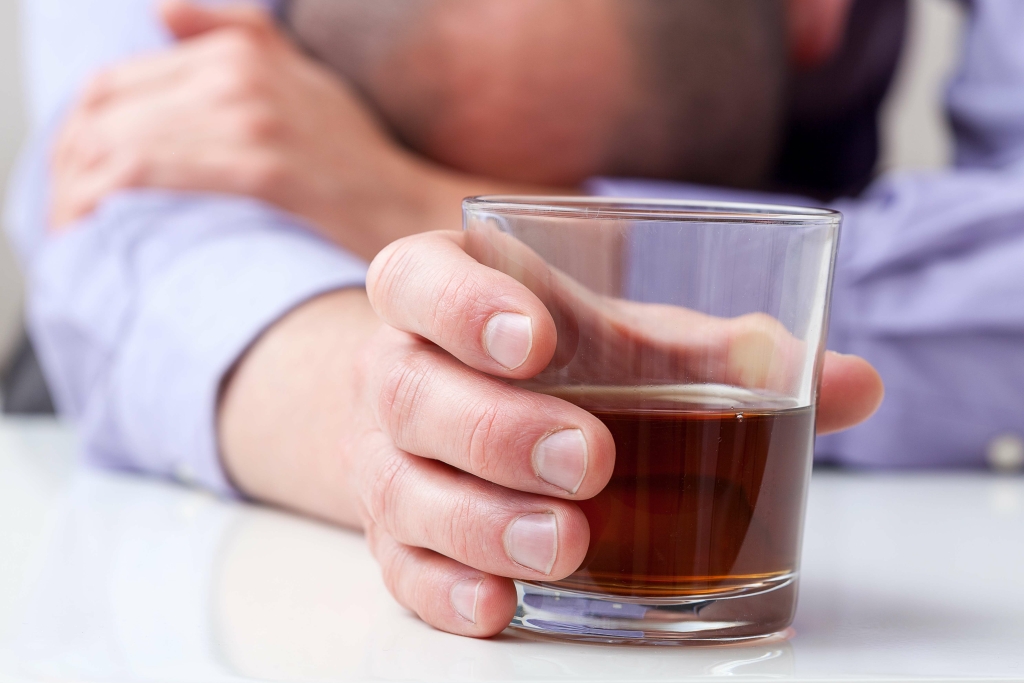
When you’re looking for support while you work on your sobriety skills, it’s important to understand the difference between sober living and halfway houses so you can decide which one might be right for you. Unlike a halfway house, sober living facilities are not specifically created for people progressing in their transition from incarceration. They are not so much a requirement of the law, as they what is a sober living house are advocates for structured, sober living, entire communities or individuals sharing a journey toward permanent freedom through detox and sobriety. It serves to help anyone who has recently completed addiction treatments remain sober for their foreseeable future. A safe haven during the recovery process, sober living opportunities range from loosely structured homes to scheduled facilities.
Is a Sober Living Home Right for Me?
While they are both residences designed to support folks in maintaining sobriety and transitioning back into society, there are some key differences. These are residential facilities that provide structure and support for those healing from addiction. They are designed to be a transitional space from residential treatment to mainstream society. Most likely, insurance will not cover this type of housing, because it is not considered a mental health treatment center.
What age can you babysit in SC?
Some states have explicit laws that say how young is too young to leave a child at home. South Carolina does not. However, there is non-binding, unofficial guidance from the state setting the minimum age at 8 years. That's a good rule of thumb for any parent in Greenville, SC to follow.
Both types of transitional housing have the goal of helping people integrate back into their everyday lives smoothly as they navigate the early stages of sobriety. However, each offers features that are best-suited for individuals of differing circumstances.
The City also continues to monitor the enactment of ordinances and resulting litigation in Orange County cities as well as State legislation that pertains to the authority of the City to regulate such facilities. Treatment providers are available 24/7 to answer your questions about rehab, whether it’s for you or a loved one. Submit your number and receive a free https://ecosoberhouse.com/ call today from a treatment provider. Standard admission requirements ensure that all residents move into the home with accurate expectations and that they clearly understand that ongoing sobriety is not negotiable. Requiring an admission application for every resident also allows you to determine if the resident would be a good fit for your sober living home.
The post Sober Living Homes and Halfway Houses How do they work? appeared first on Admiralty International.
]]>